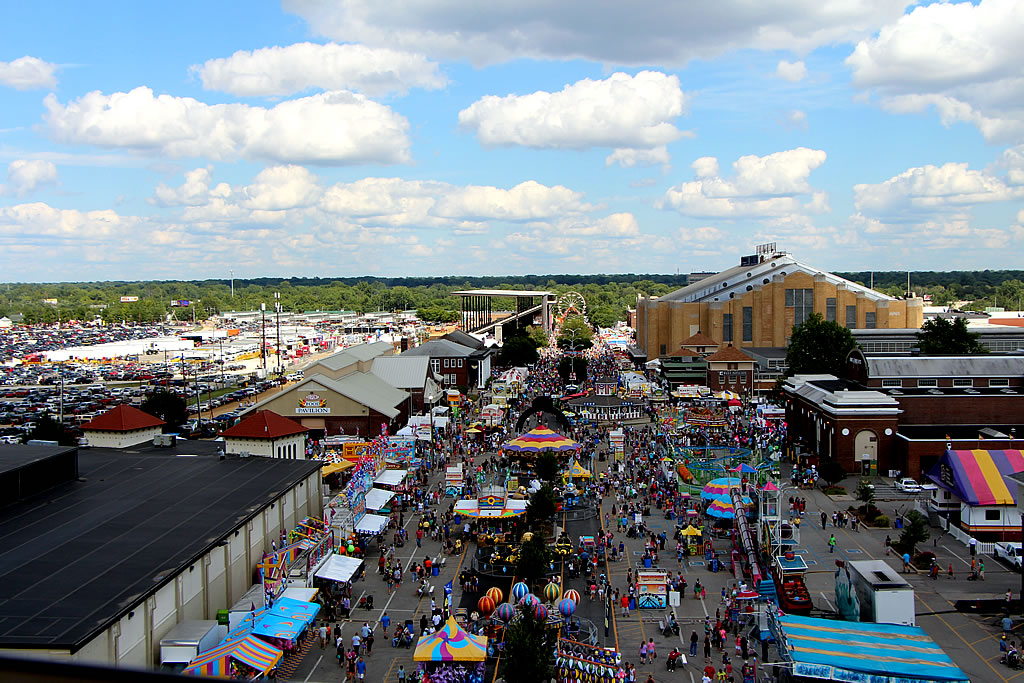
Fairs were originally developed as an important tool in marketing and promoting agriculture. As the population became more urbanized, and improved technology reduced the number of people who were required for the production of agricultural goods, the institution of the Fair also changed. Today, Fairs commonly include industrial exhibits, demonstrations, and displays focused on livestock, equine, horticulture, and agricultural advancement. Many place specific emphasis on education, and the promotion of positive youth activities, such as 4-H and FFA. At the same time, fairgrounds around the world have large landbanks. The most successful fairgrounds have been able to evolve into year-round exhibition, equine/ livestock and consumer show destinations, with the right facilities, leadership, stewardship and support.
How do we strike balance between mission and revenues to ensure future success?
If fairgrounds are to succeed in the future, they must continue to adapt to the changing demographic and economic characteristics of their market. Stewardship must evolve as well. In many cases, Fair Boards still own and run fairgrounds, and in many instances, the Fair is the dominant focus, often leaving the balance of the year under-programmed. Like other attractions, such as shopping centers, theme parks, and downtown areas, reinvesting in facilities, adding new attractions, and maintaining awareness of target market(s) are fundamental to attracting, sustaining and invigorating patronage.
A hard albeit (generalized) truth: to some (outside of the inner circle who sees their true value) a fairgrounds is a large tract of land that thrives for a week or so during the annual Fair but otherwise sits dormant as a cluster of aging buildings, removed from downtown with limited access, and surrounded by a sea of empty parking. Let’s put some numbers to that assertion:
Average 200 AC X 365 days = 73,000 AC available
In the U.S., fairgrounds that host an annual State Fair average 200 acres each. This is conservative and does not include the thousands of County Fairs. Over a 365 day period, that equates to 73,000 acres of land and facilities that are available.
111 days X 200 AC = 22,190 AC utilized (30% Occupancy)
The average State Fair runs for 11 days and if we assume that these fairgrounds are utilized for another 100 days throughout the year, that’s 111 days total. Utilization days total 22,190 acres. Of the available land, this equates to a utilization rate of 30%.
- Ag-Industries: The Ag, animal health and bioscience industries have headquarters around the world, many of which are located in close proximity to fairgrounds. At the Kentucky Horse Park in Lexington, KY the National Horse Center is home to more than 30 national, regional and state headquarters of equine associations, commissions and organizations. The ever-growing “village” represents a broad range of equine participants, breeds and disciplines and is fundamental in asserting the role of Lexington, Kentucky as “The Horse Capital of the World”. This can be achieved on a smaller scale as well reflecting industry presence in local communities.
- Extension Offices: Nationally, a number of fairgrounds are home to extension offices of regional land grant colleges and universities. These can be desired by community colleges and local schools as well.
- Incubators: The concept of farm incubators is relatively new but is gaining momentum nationally. These can tie into farmers markets, which are increasingly appearing in both rural and urban settings, and are an ideal use of fairgrounds outside of the annual Fair.
- Sponsorships and Naming Rights: Commonplace in the arena and stadium industries, many fairgrounds have not leveraged the revenue-generating opportunities available from sponsorship and naming right deals, for individual buildings or the entire grounds, such as the Alliant Energy Center in Madison, WI. These deals are not limited to national corporations, but can be local Ag-related industries seeking greater recognition of their brand.
- Sports and Recreation Facilities: While these can be perceived to be large consumers of land, they do not have to be. Multi-purpose facilities can be adapted for a variety of indoor sports and recreation activities. Branding and naming rights deals can add to the appeal of these venues, while also providing additional revenue.
- Stewardship: While not a physical form of commercialization, the right kind of leadership that can help fairgrounds think outside the box, and find solutions that suit their community, is invaluable.
There are many opportunities available and not one solution works for all. Investment in facilities can re-orient them to become multi-purpose, or can repurpose them to a single use that can attract a permanent tenant, such as a hockey team, an incubator, extension office, or Ag-related office tenant. Land leases provided a source of income and can be done on any scale.
Johnson Consulting and Fairgrounds